
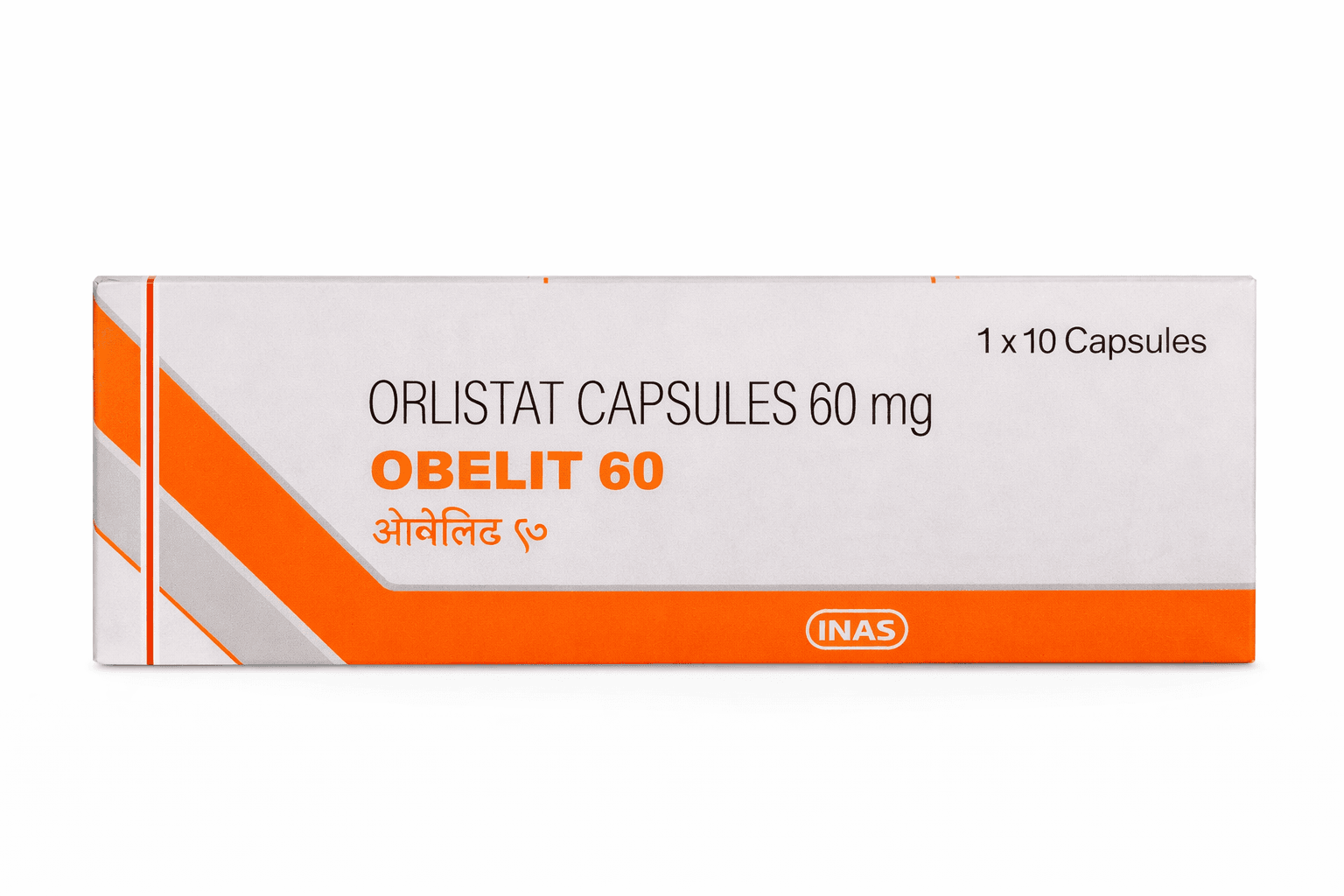
Obelit Tablets (Orlistat) are used for weight management in overweight and obese individuals. They help reduce the absorption of dietary fats, supporting gradual and sustainable weight loss when combined with a balanced diet and regular physical activity.
Specifications
Description
Introduction
Semaglutide (tablet form) is an oral medication used to help manage type 2 diabetes and, in some cases, support weight management. It belongs to a class of medications called GLP-1 receptor agonists, which help regulate blood sugar levels and reduce appetite. Unlike injectable versions, the tablet offers a convenient once-daily oral option.
Why Semaglutide Tablets Are Used
Semaglutide tablets are prescribed to:
- Improve blood sugar control in adults with type 2 diabetes
- Reduce the risk of major cardiovascular events in diabetic patients
- Support weight reduction (when recommended by a doctor)
- Help control appetite and reduce food cravings
Semaglutide is not used for type 1 diabetes or diabetic ketoacidosis.
Health Conditions Treated by Semaglutide (Oral)
- Type 2 Diabetes Mellitus (T2DM)
- Obesity / Overweight (as part of a medical plan)
- Cardiovascular risk reduction in diabetic patients
How Semaglutide Tablets Work
Semaglutide works by:
- Increasing insulin release after meals
- Reducing glucose production in the liver
- Slowing gastric emptying, helping you feel full longer
- Reducing appetite and calorie intake
Symptoms Improved by Semaglutide
Patients may notice improvements such as:
- Lower blood sugar levels
- Reduced appetite and cravings
- Weight loss
- Better energy levels
- Improved A1C (long-term sugar control)
Side Effects of Semaglutide Tablets
Common Side Effects
- Nausea
- Vomiting
- Diarrhea
- Stomach pain
- Constipation
- Reduced appetite
Less Common but Serious Side Effects
- Pancreatitis: severe abdominal pain
- Low blood sugar (especially when taken with other diabetes meds)
- Kidney issues (from dehydration due to vomiting)
- Gallbladder problems
- Allergic reactions
- Possible increased risk of thyroid tumors (rare, mainly in animals)
Seek medical help if you experience severe or unusual symptoms.
Diagnosis and When Semaglutide Is Prescribed
A healthcare provider may recommend Semaglutide tablets if:
- You have type 2 diabetes not controlled with diet/exercise
- You need additional blood sugar control
- You are overweight and your doctor suggests weight management treatment
- You have cardiovascular risks linked to diabetes
Diagnosis involves:
- Blood sugar tests
- A1C levels
- Medical history and medication review
How to Take Semaglutide Tablets Safely
- Take once daily, on an empty stomach
- Take with up to half a glass of water
- Wait at least 30 minutes before eating, drinking, or taking other medications
- Do not chew or crush the tablet
- Avoid excessive alcohol
- Follow the prescribed dose (starting low and increasing gradually)
Prevention & Management Tips
- Maintain hydration
- Eat smaller meals to reduce nausea
- Follow a balanced diet and exercise plan
- Monitor blood sugar regularly
- Inform your doctor about any stomach pain or persistent vomiting
Common Questions About Semaglutide Tablets
How long does Semaglutide take to work?
Blood sugar improvements may begin within 1–2 weeks, with full benefits in 8–12 weeks.
Can it help with weight loss?
Yes. Many patients experience weight reduction due to appetite control.
Can I take Semaglutide if I’m pregnant?
No, it should not be used during pregnancy.
What should I do if I miss a dose?
Skip the missed dose and take the next one at your usual time. Do not double the dose.
Does Semaglutide interact with other medications?
Yes, especially with medications for diabetes, thyroid issues, or GI conditions. Always inform your doctor about all medications you take.
Conclusion
Semaglutide tablets offer a convenient and effective option for managing type 2 diabetes and supporting weight loss. When taken correctly, they help lower blood sugar, reduce appetite, and improve overall health. Follow medical instructions closely, monitor side effects, and maintain regular follow-ups with your healthcare provider.