
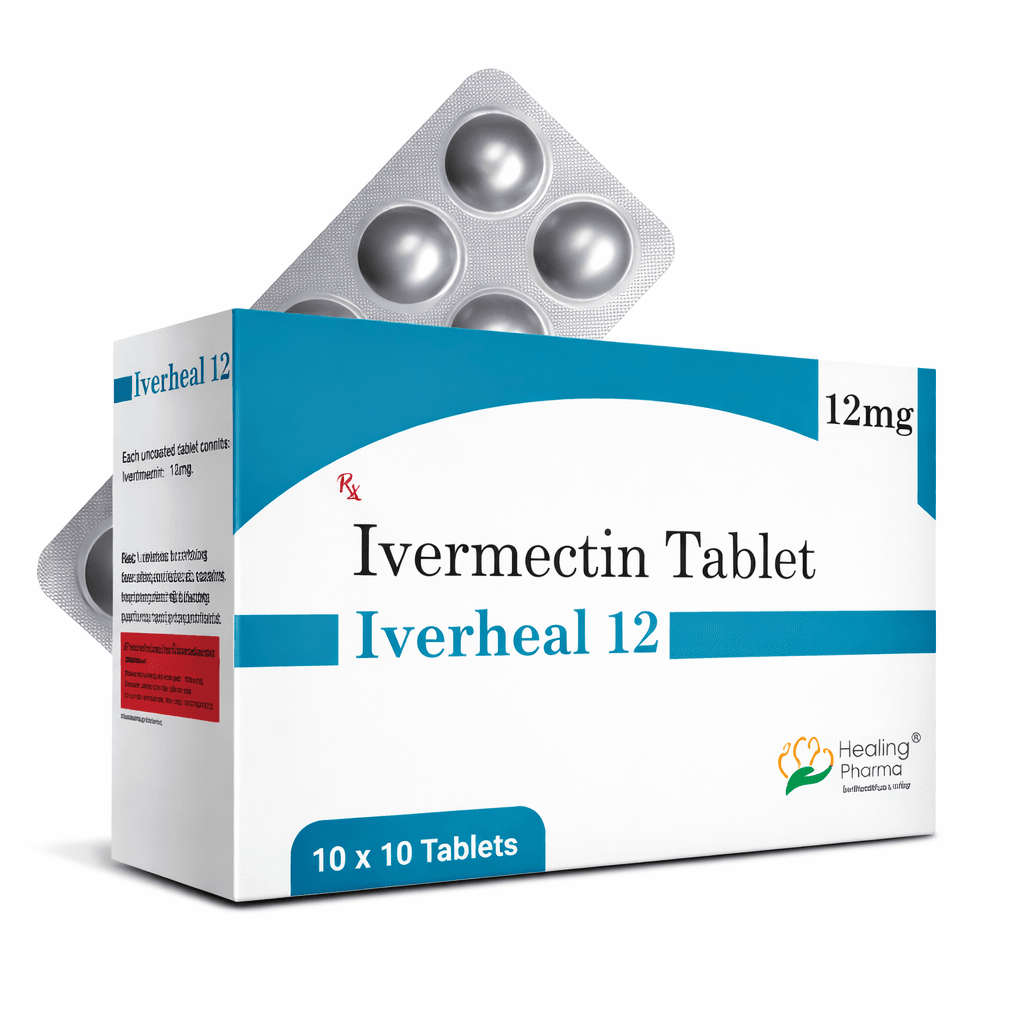
Ivermectin is used to treat river blindness (onchocerciasis), intestinal infection from threadworms (strongyloidiasis), and other kinds of worm infections. Ivermectin is an anthelmintic. It works by interfering with the nerve and muscle functions of worms, by paralyzing and killing them.
Specifications
Description
Introduction
Ivermectin is an antiparasitic medication used to treat a variety of parasitic infections in humans. It works by paralyzing and eliminating parasites, helping the body clear the infection effectively. Ivermectin is available in different forms, including tablets, cream, and lotion, depending on the condition being treated.
Why Ivermectin Is Used
Ivermectin is prescribed to treat infections caused by parasites, such as worms, mites, and certain insects. Doctors recommend it because it:
- Effectively kills parasites at multiple life stages
- Requires simple, short-term treatment protocols
- Has a long history of safe use when prescribed correctly
Health Conditions Treated by Ivermectin
Ivermectin is used for several parasitic conditions, including:
Internal Parasitic Infections
- Strongyloidiasis (threadworm infection)
- Onchocerciasis (river blindness)
- Ascariasis (roundworm infection)
- Trichuriasis (whipworm) – sometimes in combination therapy
External Parasitic Infections
- Scabies (mites causing intense itching)
- Head Lice
- Rosacea (inflammatory type) – topical cream
Skin Conditions (Topical Form)
- Inflammatory lesions of rosacea
- Demodex mite overgrowth
Symptoms Treated by Ivermectin
By targeting parasites, Ivermectin helps improve:
- Itching and skin irritation
- Redness or rash caused by parasitic infections
- Worm-related symptoms (abdominal discomfort, diarrhea)
- Bumps and inflammation in rosacea
- Scalp itching from lice
Side Effects of Ivermectin
Common Side Effects
- Nausea
- Diarrhea
- Dizziness
- Fatigue
- Skin itching (if treating scabies or lice)
Serious Side Effects
- Allergic reactions (rash, swelling, breathing problems)
- Severe skin reactions
- Low blood pressure
- Vision changes
- Neurological effects (very rare)
Seek medical help immediately if severe reactions occur.
Diagnosis and When Ivermectin Is Prescribed
A healthcare provider may prescribe Ivermectin based on:
- Physical examination
- Skin scraping (for scabies)
- Stool tests (for worm infections)
- Blood tests (for certain parasites)
- Symptoms consistent with parasitic disease
Doctors prescribe Ivermectin only when a parasitic infection is confirmed or strongly suspected.
How to Use Ivermectin Safely
- Take only as prescribed
- Avoid self-treatment without medical guidance
- Do not exceed the recommended dose
- For topical forms: apply only to affected skin
- Wash hands before and after application (cream/lotion)
- Avoid alcohol during therapy
- Inform your doctor about other medications
Precautions
Not recommended for young infants unless a doctor approves
Use caution if you have:
- Liver disease
- Low blood pressure
- Neurological disorders
Pregnant or breastfeeding individuals must consult a doctor first
Common Questions About Ivermectin
How long does Ivermectin take to work?
Improvement often begins within a few days, but full recovery may take 1–2 weeks depending on the infection.
Can children take Ivermectin?
Yes, but only with weight-based dosing prescribed by a doctor.
Is Ivermectin safe during pregnancy?
Use only under medical supervision.
Does Ivermectin treat viral infections?
No. It only works against parasites, not viruses.
What if I miss a dose?
Take it as soon as you remember—unless close to the next scheduled dose. Do not double up.
Can Ivermectin be used long-term?
Typically, no. It is usually given in short, targeted treatments.
Conclusion
Ivermectin is a highly effective medication for treating a variety of parasitic infections. When used correctly under medical supervision, it can relieve symptoms, clear infections, and significantly improve quality of life. Always follow your healthcare provider’s instructions and avoid self-medication.